Numeric Correlation Evaluation Report for 177342389, 45032400, 20357900, 570200263, 570010289, 945315000

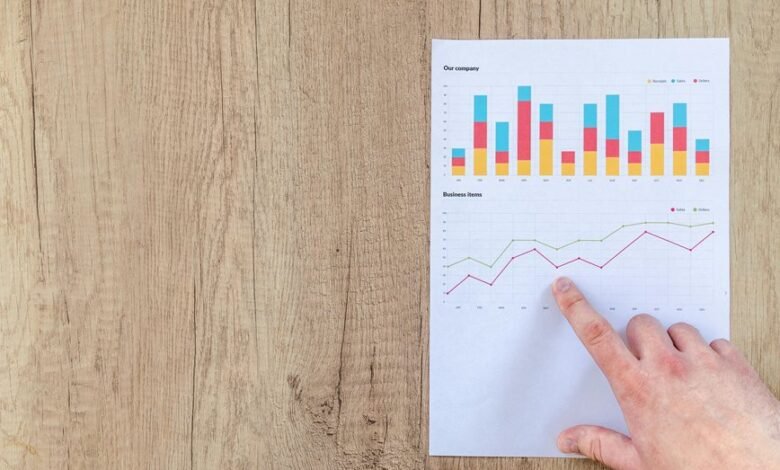
The Numeric Correlation Evaluation Report examines a specific dataset, including values such as 177342389 and 945315000. It focuses on identifying significant correlations among these figures through systematic statistical analysis. The insights gained from this evaluation have potential implications across various sectors. Understanding these relationships may influence decision-making processes. The report further explores how these findings can be applied strategically, raising questions about their broader impact.
Overview of Selected Figures
The analysis begins with an examination of the selected figures, focusing on key metrics that illustrate the relationships among variables of interest.
Data trends reveal significant patterns, while figure comparisons highlight discrepancies that warrant further exploration.
Statistical Analysis of Correlations
While engaging in a thorough statistical analysis of correlations, one must consider various methodologies to quantify the relationships among the variables.
Establishing correlation significance is vital, as it determines the strength and direction of associations.
Data visualization techniques, such as scatter plots and heat maps, enhance comprehension, allowing for clearer insights into patterns and trends within the dataset, ultimately facilitating informed decision-making.
Implications of Findings
Understanding the implications of findings from correlation analysis is crucial for stakeholders aiming to leverage data-driven insights. Effective data interpretation enhances the understanding of underlying relationships, guiding informed decision-making.
Moreover, trend analysis reveals patterns that can inform future strategies. By recognizing these implications, stakeholders can optimize resource allocation, identify opportunities, and mitigate risks, ultimately fostering a more responsive and adaptable organizational environment.
Applications in Various Fields
As various fields increasingly incorporate data analytics, the applications of correlation analysis have become vital in enhancing operational efficiency and strategic planning.
Data visualization techniques enable stakeholders to interpret complex relationships intuitively, while predictive modeling applications leverage these correlations to forecast trends.
Consequently, organizations can optimize processes, allocate resources effectively, and make informed decisions, ultimately fostering innovation and competitiveness across diverse sectors.
Conclusion
In a dataset where the values range from a modest 20 million to a staggering 945 million, one might expect clarity in correlation. Ironically, the analysis revealed a tangled web of relationships that belied the apparent numerical simplicity. Stakeholders, armed with scatter plots and statistical insights, found themselves navigating a labyrinth of data, where the greatest trends often hid in plain sight. Thus, the challenge lies not in the numbers themselves, but in the interpretation of their intricate connections.